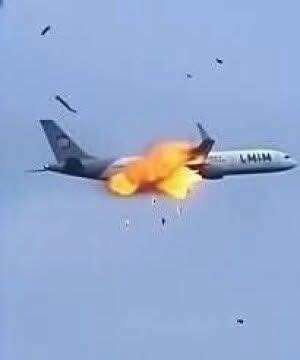
No one attending the event that day anticipated that what was meant to be a respectful commemoration would end in sorrow.
The airfield was alive with activity as families, aviation enthusiasts, veterans, and tourists gathered across the grounds. Many had come with a sense of excitement and admiration, looking forward to experiencing a rare opportunity to see historic aircraft brought back to life in flight. For older attendees, the event stirred memories of history they had lived through or inherited from loved ones. For younger visitors, it was a chance to witness powerful machines of the past in motion, something no textbook or museum exhibit could fully replicate.
The atmosphere carried a blend of celebration and reflection. Children sat on blankets and pointed upward in anticipation. Photographers adjusted their lenses, preparing to capture rare moments in the sky. Veterans shared personal recollections of wartime aviation, speaking with quiet pride about the aircraft that once defined an era. Everything about the day suggested a carefully planned tribute to aviation heritage, honoring those who served during one of the most defining conflicts in modern history.
But in a matter of moments, that sense of celebration was replaced by shock and grief.
The event in question was the Wings Over Dallas airshow, held on a clear November afternoon in Texas. Designed to commemorate military aviation history, it brought together a collection of restored aircraft from the Second World War era. These machines were not merely displays; they were flying pieces of history, maintained through years of dedication by specialists, volunteers, and aviation organizations committed to preserving their legacy.
For many in attendance, the highlight of the show was the chance to see legendary aircraft take to the skies once again. Among the participating planes were two particularly notable warbirds: the Boeing B-17 Flying Fortress and the Bell P-63 Kingcobra.
The Boeing B-17 Flying Fortress occupies a revered place in aviation history. During the Second World War, it served as a long-range heavy bomber for Allied forces and became widely recognized for its resilience in combat. Pilots often credited the aircraft with saving lives due to its ability to sustain significant damage and still remain airborne. Over time, it evolved into a symbol of determination, engineering strength, and wartime perseverance. Today, only a small number of airworthy examples remain, making each appearance at public events both rare and deeply meaningful.
The Bell P-63 Kingcobra, while less widely known among the general public, also holds an important position in aviation history. Developed during the 1940s, it represented advancements in fighter aircraft design and performance. Although it did not achieve the same level of fame as some of its contemporaries, it remains highly valued among historians, collectors, and restoration experts. Surviving examples are uncommon, and those that are restored to flying condition are treated with great care and respect due to their historical significance.
As the program continued, the flight demonstrations proceeded in a structured and coordinated manner. Aircraft moved through their planned routes in the sky, showcasing the power and elegance of mid-20th-century aviation engineering. Spectators watched attentively as engines roared overhead and silhouettes of historic aircraft passed against the open sky. Many in the crowd recorded videos or took photographs, hoping to preserve memories of a unique and rare display.
For a time, everything unfolded as expected. The demonstration represented not only entertainment but also education and remembrance. It was a chance to keep aviation history alive in a tangible and dynamic way.
Then, without warning, the situation changed in a way no one could have predicted.
During one segment of the aerial display, the paths of the B-17 Flying Fortress and the P-63 Kingcobra intersected in an unintended and catastrophic manner. In an instant, the two aircraft collided in midair.
The impact was sudden and devastating. What had been a carefully coordinated flight demonstration turned into a moment of confusion and disbelief for those watching from the ground. Pieces of debris fell through the sky as spectators reacted in shock. Many struggled to comprehend what they had just witnessed, while others stood frozen, unable to process the severity of the event unfolding above them.
Across the airfield, reactions varied from stunned silence to audible distress. Some attendees initially believed they had misunderstood what occurred, while others immediately recognized that a serious tragedy had taken place. The atmosphere shifted almost instantly from celebration to mourning.
Video recordings captured by spectators began circulating shortly afterward, spreading rapidly across social media platforms and news outlets worldwide. Millions of people would eventually view the footage, but for those present at the airfield, the experience was immediate and deeply personal.
In the moments that followed, there was a noticeable stillness over the crowd. Witnesses later described it as a surreal pause, where time seemed to slow as people tried to make sense of what had just happened. Emergency procedures were activated quickly, with response teams moving to secure the area and address the unfolding situation.
Despite rapid action from emergency personnel, the outcome was tragic. All individuals aboard the involved aircraft lost their lives in the incident. Each of those aboard was more than a participant in a demonstration; they were experienced individuals connected to the aviation community, many of whom had spent years preserving and operating historic aircraft. Their work represented a deep commitment to keeping aviation heritage alive for future generations.
The loss resonated strongly throughout the aviation world.
Those who dedicate themselves to flying and maintaining vintage aircraft often do so out of passion rather than obligation. Restoring warbirds requires extensive technical knowledge, significant financial resources, and a profound respect for historical authenticity. These aircraft are not simply machines; they are preserved artifacts of global history. Pilots who operate them are frequently viewed as custodians of the past, entrusted with ensuring that the legacy of wartime aviation remains visible and accessible.
In the aftermath of the collision, attention quickly turned to understanding how such an incident could occur within a controlled demonstration environment. Aviation specialists, investigators, and regulatory organizations began reviewing all available information related to flight coordination, communication procedures, and operational planning.
Airshows are typically governed by strict safety protocols designed to minimize risk for both participants and spectators. These procedures include carefully planned flight paths, altitude separation, timing coordination, and constant communication between pilots and ground control. However, historic aircraft operations introduce additional complexities. Unlike modern aircraft equipped with advanced navigation and collision-avoidance systems, vintage warbirds operate under constraints reflective of the technological capabilities of their original era.
Investigators worked to reconstruct the sequence of events leading up to the collision, aiming to determine how two experienced crews operating within a structured demonstration could inadvertently converge in the same airspace. The goal of such investigations is not only to identify contributing factors but also to strengthen future safety measures and prevent similar tragedies.
While technical analysis and procedural review continued, communities across the country and around the world began focusing on remembrance. Tributes appeared online, in museums, and within aviation organizations. Messages of condolence and respect highlighted the dedication of those involved in preserving historic aircraft and acknowledged the profound sense of loss felt throughout the aviation community.
Friends, colleagues, and enthusiasts shared memories of individuals who had devoted their lives to aviation heritage. Many described them as passionate, skilled, and deeply committed to ensuring that the legacy of World War II aviation remained alive. For those within the community, the tragedy was not only about the loss of aircraft or an event—it was the loss of people who represented a living connection to history.
Beyond the immediate community, the incident also prompted broader reflection on the role of historic aviation in public events. For many people, seeing warbirds in flight is a powerful educational experience. It allows history to be experienced in motion, bridging the gap between past and present in a way that static displays cannot achieve. The sound of engines, the sight of aircraft in formation, and the physical presence of these machines in the sky create a connection to history that resonates deeply with audiences of all ages.
At the same time, the tragedy underscored the inherent risks associated with operating vintage aircraft. While these machines are meticulously maintained and flown by highly skilled pilots, they remain products of a different technological era. Their preservation and operation require constant attention, precision, and respect for the limitations of their design.
In the weeks and months that followed, discussions within the aviation industry emphasized both accountability and learning. Every serious aviation incident contributes to an ongoing process of improvement, where lessons are analyzed and integrated into future safety practices. The objective is always to reduce risk and enhance coordination in all aspects of flight operations, particularly in complex environments such as airshows.
Despite the grief surrounding the event, support for aviation heritage did not diminish. Organizations dedicated to restoring and operating historic aircraft reaffirmed their commitment to education and preservation. Many emphasized that honoring those lost also involves continuing the mission they were passionate about—keeping aviation history alive for future generations to understand and appreciate.
For those who witnessed the events firsthand, the memory of that day remains vivid. What began as a celebration of history, courage, and engineering achievement transformed into a moment of collective shock and reflection. The contrast between anticipation and tragedy left a lasting impression on everyone present.
In the broader perspective of aviation history, the incident is remembered as a somber chapter—one that highlights both the emotional power of historical preservation and the critical importance of safety in aviation operations. It serves as a reminder that even in carefully controlled environments, vigilance and precision are essential.
Ultimately, the legacy of the aircraft involved, as well as the individuals who dedicated their lives to preserving them, continues to endure. Their contributions to aviation history remain significant, and their stories are still shared within museums, airshows, and educational programs around the world.
The Wings Over Dallas incident stands not only as a moment of profound loss but also as a reminder of the responsibility that comes with preserving history in motion. It reinforces the idea that remembrance, education, and safety must work together to ensure that the past can continue to be experienced by future generations in a meaningful and responsible way.