
On an otherwise typical day in a bustling city, something unexpected caused pedestrians and drivers to pause in confusion. A man was seen walking calmly along a crowded street, behaving in a way that drew immediate attention from everyone around him.
Witnesses described a scene that quickly turned from surprise to concern. Some people stepped back, unsure how to react, while others began recording the incident on their phones. Within hours, clips of the moment spread across social media, sparking widespread discussion.
But beyond the initial shock, the situation raises important questions about mental health, public safety, and how society responds to individuals in distress.

What Happened on the Street
According to local reports, the incident took place in a busy urban area in southern China. The man walked through traffic, at times interacting unpredictably with nearby vehicles. In one widely shared video, he appeared to approach a car, gesture for it to stop, and then climb onto it briefly before stepping away.
Authorities arrived shortly afterward and safely escorted him from the scene. No serious injuries or major disruptions were reported, but the unusual nature of the event left a strong impression on witnesses.
Later information indicated that the individual had a history of mental health challenges and was taken to a medical facility for evaluation and care.
Understanding Behavior Linked to Mental Health Conditions
Situations like this can be difficult to interpret without context. To an outside observer, the behavior may seem confusing or alarming. However, mental health professionals emphasize that certain conditions can affect perception, judgment, and awareness of surroundings.
Individuals experiencing acute psychological episodes may act in ways that appear disconnected from typical social norms. This is not a reflection of intent or character, but rather a sign that the person may need immediate support and care.
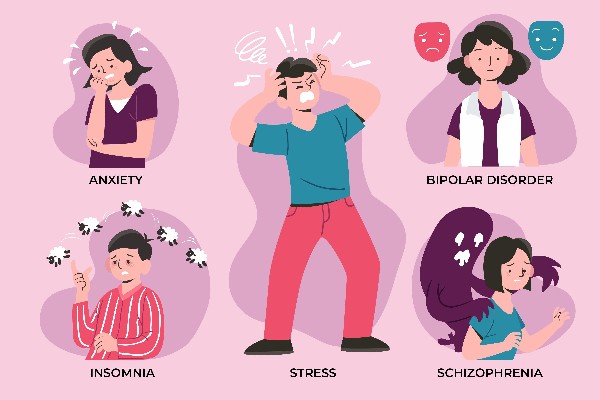
Conditions such as severe anxiety disorders, psychotic episodes, or other psychiatric challenges can sometimes lead to disoriented behavior in public spaces. Early recognition and compassionate response are key to ensuring safety for both the individual and the community.
Public Reaction and the Role of Bystanders
One of the most notable aspects of the incident was how people around the scene reacted. Some individuals chose to keep their distance, while others recorded videos. A smaller number attempted to alert authorities or guide traffic away from the situation.
This range of responses reflects a broader societal challenge. Many people are unsure how to respond when encountering someone who appears to be in psychological distress.
Experts recommend prioritizing safety while avoiding confrontation. If possible, contacting local authorities or emergency services is often the most appropriate course of action. Direct intervention should be approached cautiously unless the person is in immediate danger and help is readily available.
The Influence of Social Media
As with many unusual public events, social media played a major role in amplifying the story. Within hours, videos had circulated widely, drawing reactions from viewers across different countries and cultures.
While digital platforms can help raise awareness, they also come with challenges. Short clips may lack context, leading to misunderstandings or unfair judgments about the individuals involved.
There is growing discussion among digital ethics experts about the responsibility of sharing such content. Balancing public interest with respect for personal dignity is an ongoing conversation in the age of instant information.
Cultural Perspectives on Public Behavior
Cultural norms influence how societies interpret and respond to unexpected public behavior. In some places, such incidents may be viewed primarily as a public safety concern. In others, they may be seen through the lens of social order or community responsibility.
Regardless of cultural differences, there is a shared recognition of the importance of addressing mental health with empathy and professionalism. Increasingly, communities around the world are working to reduce stigma and improve access to care.
The Importance of Accessible Mental Health Care
This incident highlights a broader issue that extends far beyond a single event. Access to mental health services remains uneven in many parts of the world.
Early diagnosis, consistent treatment, and community support can significantly reduce the likelihood of public incidents like this. However, barriers such as cost, stigma, and lack of awareness often prevent individuals from seeking help.
Organizations such as the World Health Organization emphasize the need for integrated mental health services within general healthcare systems. Public education campaigns also play a crucial role in encouraging individuals to seek support without fear of judgment.

Legal and Safety Considerations
When incidents occur in public spaces, authorities must balance individual care with community safety. Law enforcement officers are often the first responders, but many regions are now training specialized teams to handle mental health-related situations more effectively.
These teams focus on de-escalation, communication, and connecting individuals with appropriate medical services rather than relying solely on enforcement measures.
Such approaches not only improve outcomes for the individual but also reduce the risk of escalation in crowded environments.
Lessons for Communities
Events like this can serve as important reminders for communities and policymakers alike.
First, they highlight the need for greater mental health awareness. Understanding that unusual behavior may be linked to underlying conditions can foster more compassionate responses.
Second, they underscore the importance of preparedness. Training for both authorities and the public can help ensure that situations are handled safely and respectfully.
Finally, they remind us of the human element behind every headline. The individual at the center of the story is not just a subject of curiosity, but a person who may be experiencing significant challenges.

A Reflection on Human Curiosity
It is natural for people to be drawn to unusual or unexpected events. Curiosity drives us to watch, share, and discuss stories that break from everyday routine.
But curiosity also carries responsibility. How we interpret and respond to such moments can shape the narrative and impact the individuals involved.
By approaching these stories with empathy and understanding, we move beyond surface-level reactions and contribute to a more informed and compassionate society.
Sources
Reuters
BBC
Al Jazeera
The Guardian
World Health Organization
American Psychiatric Association